
Cut notes
Shift Cards
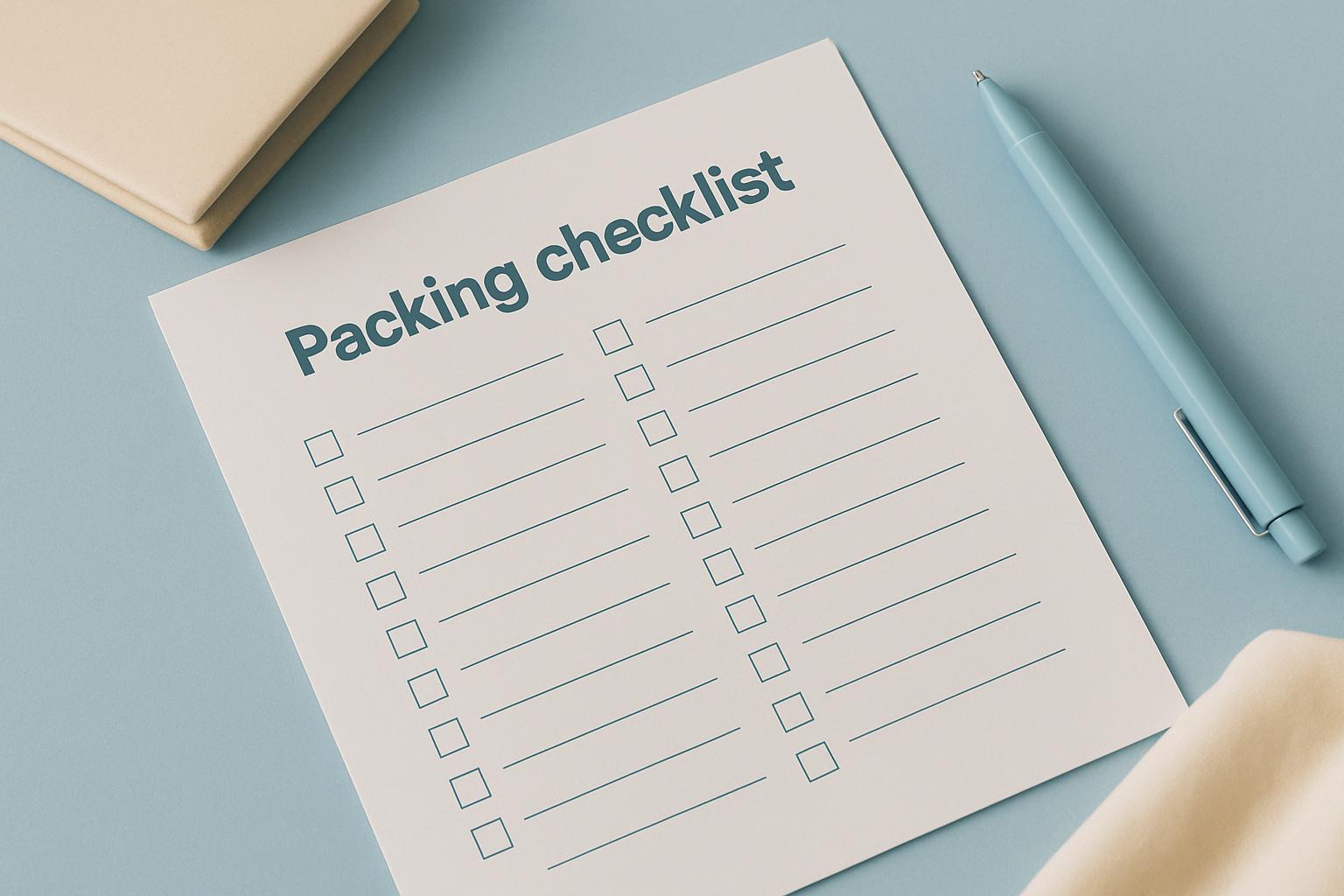
A short note on call sheets for crews and clients who need everyone in the right place.
When shifts rotate, the brief often breaks between teams. The marketer knows the message, the store lead knows the floor, and the person on camera heard a different version from both. Shift Cards is our note for keeping an intro film brief consistent across changing crews and locations.
Shift Cards is written for shoot days where crews swap, clients move between sites, and the brief can drift by lunchtime. We focus on call-sheet details that matter in South African production: gate access, parking points, unit contacts, meal timing, and the person who can approve a change on site. If you want the matching note sent across, use the post title in the contact form.
Call-sheet details that prevent drift
- Site address and shift hours confirmed
- Nearest entrance pinned for crew and cast
- Call sheet file shared outside inbox chains
- Client names styled correctly on the sheet
Shift Cards keep the day organised once the shoot leaves the desk and meets traffic, security, and changing staff. Names, times, contacts, and location instructions stay on one card instead of splitting across separate messages.
Crew handovers between morning and late shift
Shift Cards covers the call-sheet basics that keep crew, client and locations aligned on shoot day. Use it when the job needs everyone at the right place, with the right contact details, before cameras roll.
A retail intro film often starts with one team for prep and another for the live shoot window. Shift Cards helps both teams work from the same contact list, scene order, and access notes. That matters when a marketer, branch lead, and presenter each heard the brief in a different way.
Include the exact meeting point before anyone travels. In Johannesburg business parks, Durban delivery zones, or Cape Town city sites, the wrong gate can lose time before a single frame is shot. We note parking, sign-in procedure, and the person security should phone at arrival.
What the card needs on shoot day
The useful version is short enough to check from a phone and specific enough to settle questions fast. It should state who is due where, when gear moves, who signs off, and what changes if weather, traffic, or venue rules interfere. A vague sheet creates more calls once people are on the road.
Use Shift Cards before expanding the job into extra locations or a second unit. Check driver directions, location contacts, wardrobe notes, and backup numbers against the latest client message, then send one current version to everyone. If you need to pass something on through the contact form, attach the active call sheet rather than an older summary.
- Built for rotating crews and site contacts
- Arrival point checked with a current photo
- One active contact list for the day
Shoot-day variables in South Africa
Shift Cards accounts for the things that alter a schedule after the brief is approved. That includes mall loading bays, warehouse induction, office park security, branch trading hours, and the manager who can release a space for ten minutes. These details affect whether an intro film starts cleanly or spends the first hour waiting at reception.
Weather and power planning belong on the sheet, not as a last-minute message. Coastal wind can change audio plans, Highveld afternoon storms can cut an exterior short, and load-shedding can affect lifts, charging, and playback. We also flag backup interiors when a location depends on natural light.
Operated by Astros Marketing (Pty) Ltd from 2 Makro Place, Sunnyrock 1401.
How Shift Cards stays useful
A short note on call sheets for crews and clients who need everyone in the right place.
Save the final call sheet with the edit link, location release notes, and any updated contact list from the day. That record helps when a client asks which version was current, who was booked for which slot, or why the sequence changed between shifts. It is a small admin step that protects the brief after the shoot wraps.