
Cut notes
Photo Angles
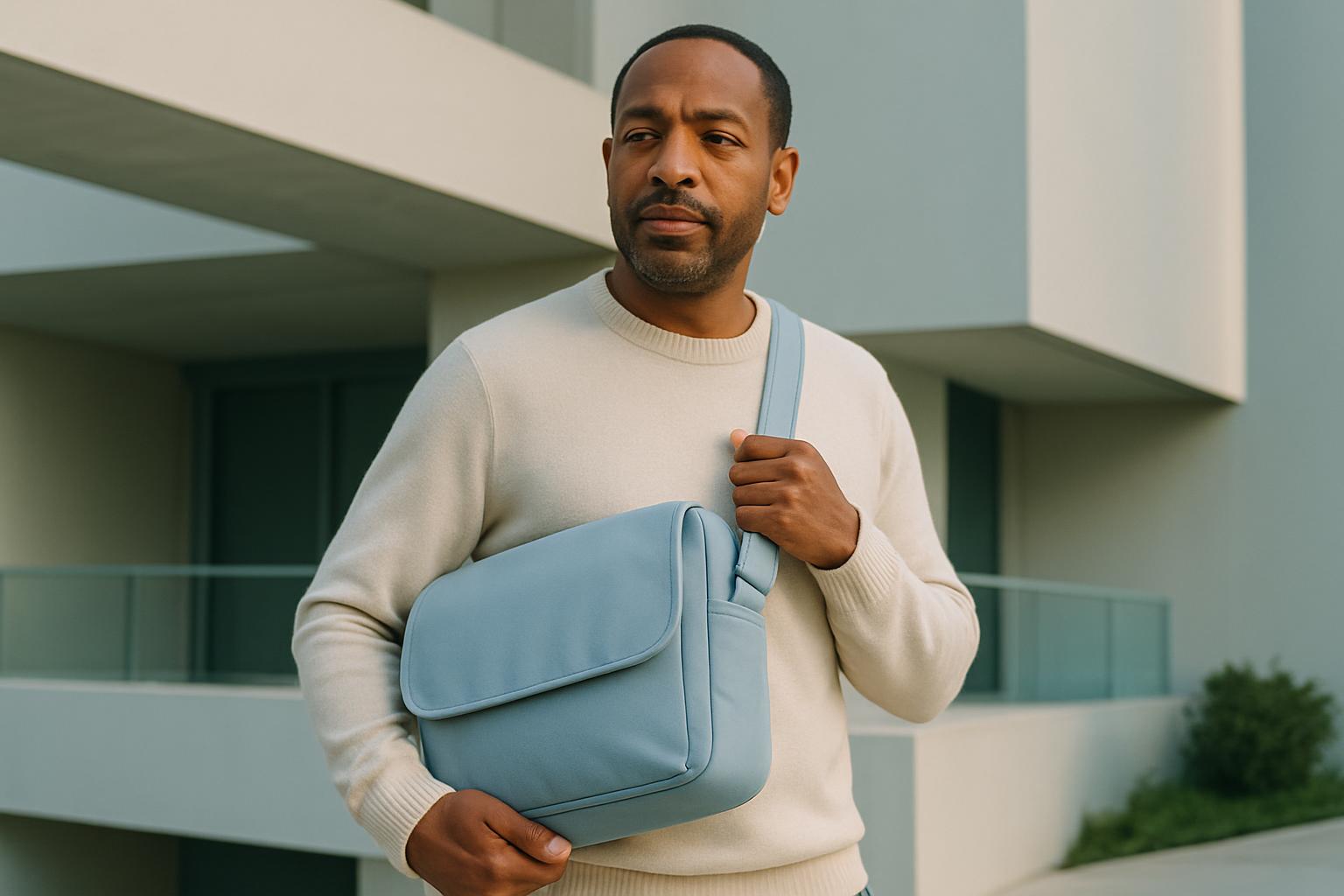
A short note on camera angles that help a South African brand story land fast.
Good footage gets wasted when nobody decided what the camera must explain. One team shoots wide, another goes tight, and the edit ends up without the proof shot the client needed. Photo Angles is our note on planning visual coverage that actually supports an intro film.
Photo Angles keeps the language direct and visual.
Angles that carry the message
- Establishing view shows the setting
- One detail frame proves the feature or task
- Sequence order logged for the editor
- Name captions match client style and titles
Photo Angles works best next to the script note and the brief kit. One tells the crew what to show, another tells the editor what the shot must explain. That reduces guesswork when different people review the first cut.
Shot planning on working sites
Photo Angles looks at the camera views that help an intro film explain the job quickly. The note is about choosing angles that show the product, process, or setting clearly for a South African brand audience.
Begin with the question the frame must answer. A food plant, a clinic reception, and a warehouse dispatch bay all need different coverage because the viewer is looking for different proof. South African brand teams often need the camera to explain process fast, especially when the film is viewed by staff, suppliers, or branch managers.
List the non-negotiable shots before call time. That usually includes one wide frame for place, one medium frame for action, and one close frame for evidence such as a label, control panel, hand movement, or product finish. When access is tight, that shortlist helps the crew protect the essentials first.
Frames the editor can actually use
The outcome is not a random gallery of footage. You end up with a planned spread of views that helps the first cut explain the product, process, or environment without hunting for missing coverage. That matters when stakeholders need to check facts, not just mood.
Before expanding the shot list, match Photo Angles with the relevant brief and a Cut notes entry.
- Angles suit the job on hand
- Hero shot captured before site changes
- Point person named for shot approvals
Coverage choices for South African conditions
A Johannesburg office interview may need window light managed by time of day, while a coastal exterior in Gqeberha or Cape Town can shift quickly with wind and cloud. Retail spaces have customer movement, factories have safety boundaries, and depots have vehicle noise. The angle plan must account for what the crew can physically show without blocking work.
Load-shedding changes monitor use, battery planning, and when playback can happen on location. Highveld sun can make midday exteriors harsh, while KZN humidity can affect lenses moving between air conditioning and outdoor heat. In those conditions, clear framing choices matter more than trying to cover everything.
Operated by Astros Marketing (Pty) Ltd from 2 Makro Place, Sunnyrock 1401.
Angles for proof shots
A short note on camera angles that help a South African brand story land fast.
Record angle decisions while the shoot is fresh. Note which shot is the opener, which frame proves the claim, and which view covers a likely client question. That small log helps when the first cut is compared with the script and later edit notes.